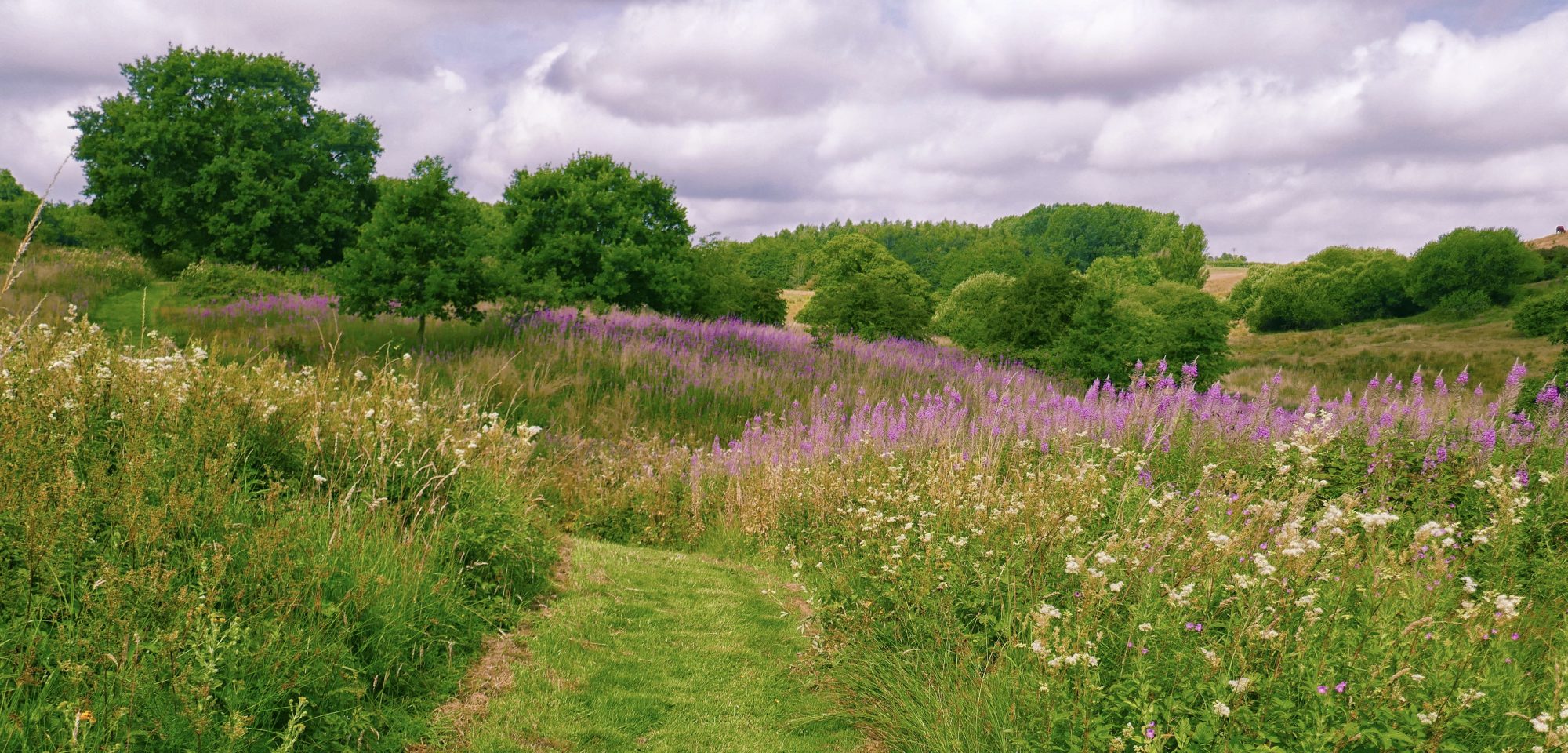
Dare to be … a sharer

As a writer, I have dared to share my work with other writers and seek constructive feedback. I have found the process to be invaluable. Creative writing like any craft needs to be learnt. There are guidelines (or best practices) to follow in writing prose and pitfalls to avoid (for example: repetition, overly florid writing, unauthentic dialogue and using cliches).

In common with many other beginner writers, initially I found sharing my work daunting, dangerous and daring. To overcome my fears I first shared my short stories with family and friends, people who I did not doubt would support and encourage me. I soon realised to progress I needed to share my writing with others who could provide a writerly critique with feedback to help me grow and develop as a writer of fiction and a writer of novels.

I dared to share and was rewarded by seeing my writing improve.

I believe as a writer and an artist when I dare to share my craft, I learn and I develop.

Sharing anything of ourselves (our creations, our thoughts, our beliefs) can be scary. We run the risk of rejection, humiliation, alienation and confrontation. We may be challenged, laughed at, provoked, ignored even. Daring to share means we are willing to be vulnerable, and open ourselves up to change and challenges. We invite encounters with others which we may find difficult. Most important, we make the choice to experience what it’s like to reveal ourselves as a human being. Why else would we dare to share if not to show our humanity.

To not dare to share is to be closed to encounter. A valid choice, but I believe ultimately a limiting and lonely one. It is thorough sharing that we grow. It is part of being human.

I dare to share.


9DF2FDF2-6802-4C63-A15B-4E943EB3DB11

Day 4 – Invaranan to Tyndrum – 12.5 miles


LIHazleton.
Follow me on Twitter where I connect with other writers and all things writing. Follow me on Instagram if you love animals.
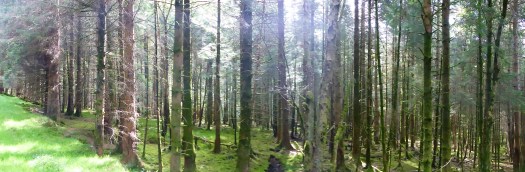
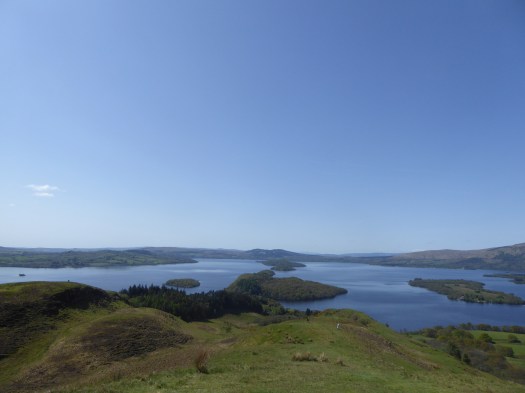
Dare to be … a speaker


I dare to be a writer who speaks and a person who speaks out loud.

A writer of fiction is a person who speaks. When a writer tells their stories they are speaking through their words. They are telling the reader something. It may be an explicit message delivered through dialogue or a hidden meaning woven through the plot designed for the reader to discover as the novel concludes. The book may have a theme or reveal a moral message, it may speak of trouble in relationships, love, other worlds not known to us, murder or mystery. A writer speaks through their books and readers listen.

When I look back over my life, I see I have been a listener. I have been a person to enquire of the other, to listen to their stories. I have been a reader, a listener of the writer.

Until now, I have never dared to speak.

I am choosing to write as I want to speak through my writing.

My hope is that someone will listen.

A bigger challenge for me is to be a person who speaks out loud.

For many years, I was silenced by my mother. I was silenced because she passed me her silent message not to speak.

She died in 2007. Since then I have begun to speak. Initially I whispered, but now I shout (if I need to).

I dare to be a person who speaks.

Day  3 – Rowardennan to Inverarnan – 15 miles

13C5FD14-3B35-4DDD-B324-1AF9381935D3

LIHazleton.
Follow me on Twitter where I connect with other writers and all things writing. Follow me on Instagram if you love animals.

Dare to be … a walker

I dare to be a walker.

Why dare to be, you may wonder. What’s so daring about walking?

I’ll rewind – I dare to be a long distance walker.

I have walked many long distance paths, the most notable being the famous Wainwright Coast to Coast – 192 miles in 14 days.

I am currently walking the equally famous West Highland Way. It’s 102 miles and I’m walking it in 8 days. It’s not as strenuous, but still a challenge. I walk these long distance, point to point walks with my husband. I also walk circular routes with friends and in a Ramblers group.

I dare to be a long distance walker because of psychological insights. When my body hurts, I breath, I dig deep and I discover things about myself. When I walk, even when I’m in company, I am alone. I am absorbed in the oneness of being me. I feel my body, I see the landscape, I hear the sounds around me, I smell the countryside, I taste the food that fuels me and the water that hydrates me, I reach out and touch the flora and fauna.

I dare to be a walker to clear my mind and to listen to my heart. What I feel, what emotion, what revelation, what ‘ah ha’ moment may come up. I may take a walk through my past, I may replay an encounter in my head, I may consider my future, I may even make a life changing decision. And the exilerating thing about this is I am always surprised. And the daring part? Just sometimes, something comes up that’s scary and challenges me. But this is wholly good.

And what about the writing?

When I walk these long distance paths, I often write scenes in my head, tackle a sticky chapter or muse over the structure of my book. My writing progresses and I grow.

I dare to be a walker.

Day 2 – Drymen to Rowardennan – 15 miles

A65FB81B-F76D-476A-9491-029AE668F584

LIHazleton.
Follow me on Twitter where I connect with other writers and all things writing. Follow me on Instagram if you love animals.

Dare to be … a writer

I dare to be a writer.

I write to make sense of the world, to feel my place in it and to give back to it.

No. Correction. I write to make sense of the universe and to feel my place in it and to give back to it.

I write to discover who I am.

I write to find connection with myself and with others.

I write to find connection with a Higher Power who I know resides in me and around me. Everywhere in and around the universe.

I dare to be a writer because of these things.

I dare to be a writer because I need to tell stories. When asked what I write, one of the things I say is I am writing fiction based on truths.

There is a ongoing debate in fiction writing and it’s this; how much biographical writing emerges when a writer writes fiction. Some writers say none, others acknowledge all writing says something about the writer. I am with the latter. I know through my writing I am revealing who I am. It’s exhilarating, it can be scary and for me it is daring.

I dare to be a writer.

I am walking the West highland Way and this is the first of my daily ‘Dare to be’ reflections.

Day 1 – Milngavie to Drymen – 12 miles


E01882EA-CCBE-42B8-89CB-CA2DCD394BC4


LIHazleton.
Follow me on Twitter where I connect with other writers and all things writing. Follow me on Instagram if you love animals.
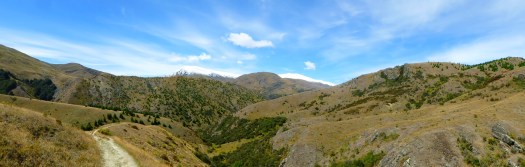
Truth No. 15 – I am Vulnerable

P1020658


I was vulnerable as a child (we all are), I remained vulnerable through adolescence and into adulthood and I am still vulnerable. I am proud to be be vulnerable. Being vulnerable is being open to truth, not only my truth but a universal truth.

The universal truth is we are all vulnerable. Listen to Brene Brown speak on TED about vulnerability and you will see why.

Because we are mortal beings, vulnerability is a universal feature of our human condition. Our suffering, injury, illness, death, heartbreak and loss are experiences that define our existence and loom as constant threats. To be human is to be excruciatingly vulnerable. Using the adverb excruciatingly is a conscious choice. Fellow writers will know we learn to avoid using adverbs in our writing, but I choose to use excruciatingly to emphasise how painful and distressing feeling vulnerable can be.

It is natural for humans to avoid suffering and so we deny our vulnerability. “We’re fine,” we say when our truth points to the opposite. No, we are not fine, we are vulnerable. Of course, to have a temporary sense of power over all events and circumstances, is one of the privileges of being human and especially of being youthfully human. As we mature and grow older, we understand this privilege must be surrendered as we must surrender youth and as we succumb to ill health, accidents and experience the loss of loved ones. After all, ultimately we have no choice over these things.

So, why not reveal your vulnerability now? Try it and you will be rewarded with richer, more fulfilling relationships.

What happens when we risk showing another person our vulnerability? We become real and being real is wholly healthy. Why? Because we can be ourselves and being ourselves is a lot easier and less stressful than keeping up a pretence and wearing a mask. Hiding and pretending can be emotionally, mentally, physically and spiritually exhausting (I know!) and the more you allow your essence to mature and acknowledge your vulnerability, the more you will attract authentic people into your life and create a network of supportive, real friends.

***

Now, what lessons are there here that can be applied to our writing?

If you search the how-to-write section of any bookstore, you might conclude good stories are all about craft, plot, character, suspense, dialogue, etc. Of course these things matter but what I believe matters more is an author’s ability to be vulnerable on the page; to be open, daring, unabashed and unashamed; to be fearless and willing to blow away any taboo and to resist heeding any notions of embarrassment.

As Brene Brown says in her TED talk, to be vulnerable is not a weakness, rather, it’s “our most accurate measure of courage.”

My urge to be a writer is a measure of my courage, but more it is a generous act at its core. I want to share my story to give a reader an insight into a world they haven’t experienced. This is my gift, the gift of vulnerability, of being human.


LIHazleton.

Follow me on Twitter where I connect with other writers and all things writing. Follow me on Instagram if you love animals.

Truth No. 14 – Taking Up Space


Having space.

fullsizeoutput_268d

Have you considered how much space you take up?

What does taking up space mean?

There are many people, especially those who as children were not nurtured or loved as they were meant to be loved and nurtured, or who suffer from low confidence and low self-esteem, who believe they ‘have no right to take up space’ in this world. They go through life trying to be of little disturbance as possible. They never speak their minds, never do the things they really want to do, never be the people they really want to be, who they were destined to be, never really living their lives because they are too afraid of upsetting other people, or being judged for being themselves.

Many people are fearful claiming the space they rightfully deserve. They are too busy trying to stay out of the way, apologising for their very existence.

Does this sound familiar?

I used to be a person who took up very little space. I kept myself small. The truth is being small, feeling small was my default position.

But not any more.

I (and every person) have as much right to take up space as anyone else who exists in the world.

I have discovered taking up space is a balancing act as it requires testing boundaries, and becoming open to feeling vulnerable. Remember, by putting yourself ‘out there’ and expressing yourself, you will elicit feedback from others. Some people will agree with you, admire and like you, while others will disagree with you and may even consider you as an enemy or a threat. Some may ignore you.

Taking up space means you are likely to be judged.

Judging others is what we all do, we can’t help it, it’s part of being human. Monitor yourself and your responses if you question this is true. We judge, but it is what we do next that counts.

When I am judged, I welcome it as it encourages me to take up more space. I have discovered the more I speak out and the more I am judged (or challenged even), the more I grow.

Bring it on!

But if you are a person who recoils from negative feedback, don’t be discouraged from taking up space as the more you put yourself out there, the more you become desensitised to negative feedback. Which means you become more comfortable being yourself despite what others think. It is your right to be who you are and speak your mind.

I no longer hesitate or be afraid to take up more space in my life. I am proud to show the world who I am and what I believe in.

***

Have you thought about how much space your characters take up, particularly your protagonist, your antagonist?

The book I am reading at the moment is ‘Eleanor Elephant is Completely Fine’ by Gail Honeyman and as I publish this blog I am about half way through. For me this book is about loneliness, a state often felt by people who are not taking up space in their lives. But more than this, this book celebrates a protagonist who begins to take up space – more and more space as she blossoms and grows, encouraged by the small acts of kindness she experiences from those around her.

It is a fine example of a character arc, the transformation or inner journey over the course of the novel, a person changing as they take up more space.

As you consider the character arcs of your protagonist and antagonist, as your novel / your story unfolds, think about how much space they are taking up in the world. What exciting things, what conflicts will ensue as your protagonist and antagonist take up more space?


LIHazleton.

Follow me on Twitter where I connect with other writers and all things writing. Follow me on Instagram if you love animals.
Truth No. 13 – The Past can be the Present

P1090387


Have you ever experienced a visceral reaction to a place, a person, an object? If so, have you considered why? On enquiry you may discover the past has become the present.

“The past is not dead. It’s not even past.” –William Faulkner

A poignant thing about humans is that we seem hardwired to replay the past, especially when our past includes emotional pain or disappointment.

Today I visited a place I have never been to before. I experienced such a violent reaction to this place, in order to safeguard my own wellbeing, I needed to remove myself immediately. This place was a busy small town, not particularly significant, very much like any other town / suburb close to a major city.

You may be wondering why I experienced a visceral reaction. Was it the people? The weather? The environment? The traffic? The noise? The smell? The pollution? Was it fear?

No, none of these things.

It was the past.

For the short time I was there, this place became for me a psychological representation of my childhood town and home. My felt experience whilst in this place, came wholly from my past.

The past was the present.

***

Consider the complexities of developing characters who experience deep visceral reactions. How deep can you go with your writing? You might discover something about your characters that surprises you. You might even discover something about yourself that surprises you more.


LIHazleton.

Follow me on Twitter where I connect with other writers and all things writing. Follow me on Instagram if you love animals.

Truth No. 12 – Alone and Lonely

IMG_5379

Most adults have pondered the difference of being alone and being lonely. Simply put being alone is a state of being; loneliness is a state of mind.  But what about children, small children, children under ten? Can they articulate their feelings and are they adept at recognising when they are lonely and if so, are they able to do something about it? A fortunate child will have parents and care givers who will be monitoring for loneliness and will act if they detect their child is lonely.

When I was growing up, I spent a lot of time on my own. I suffered emotional neglect as well as being left alone at home, so it was a common place occurrence for me to be alone physically and alone psychologically. I was aware I was on my own a great deal of the time and I was aware it was unusual. With no siblings, a latch-key kid, a mother who was there only for the necessities and an absent father, it was my norm. But what I wasn’t fully aware of, was that I was lonely.  I just felt miserable all the time.

Loneliness impacts children in different ways. For me:

  • I developed a low self-esteem
  • I didn’t take risks. Trying new things and calling attention to myself left me feeling vulnerable and risking rejection
  • I felt disgruntled, disconnected and worried, pulling away from others and feeling more isolated as a result
  • Attempts to get close to my mother as a child and failing plus having no male role model caused me to feel hopeless about developing close relationships later in life


What about now?

Fortunately, I understand the psychological impacts loneliness has had on me during my childhood and later in adult life. Most importantly, I understand the danger of clinging to the feeling of loneliness because that’s what connects me most closely to my mother and because loneliness feels like a private space which is familia and which is shared with my distant and rejecting mother.

I understand the risk that I may cling to social isolation because isolation is what most closely reflects my emotional experience as a child.

With this self awareness I can act in ways that matter to me to avoid the state of loneliness.

I take care of myself.


Now to the writing.

If you have a character who is experiencing loneliness, how can you portray this in your writing? Consider:

  • Physical signs of loneliness most likely to be observed by an outside observer and not the lonely character. For example: slumped shoulders, gazing into space, tears, sadness, a monotone voice, looking down or away …
  • Internal responses to loneliness. For example swelling in throat with the onset of tears, insomnia, fatigue, unrest …
  • Mental responses to loneliness. Your character avoids social interactions, is consumed by anger or sadness, daydreams about connections with people …
  • Cues of long term loneliness. Addictions, unreasonable / unacceptable behaviour, withdrawal from society, suicidal tendencies … there are many more.
  • Suppressed loneliness. Being too friendly, being taken advantage of, committing too quickly in relationships
  • Loneliness is not introversion. Remember not to develop your character in this way.   An introvert is a character who seeks, thrives in, and enjoys their solitude. A lonely character is one who lives in self- or socially-inflicted solitude—who feels that they are not accepted on some level and who desperately wants to escape their isolation by forming strong relationships with others.


LIHazleton.

Follow me on Twitter where I connect with other writers and all things writing. Follow me on Instagram if you love animals.
Truth No. 11 – A face that doesn’t fit


fullsizeoutput_2703

Faces. We all have one.

Whilst I am sure you have considered what your characters look like and may have described their eyes, nose, mouth, any distinguishing features, hair and facial expressions (without using cliches and overdoing it of course!), have you thought about how their faces ‘fit in’ with society or how they feel about their face?

Maybe your character suffers from a skin disease like pityriasis rosea, has a cleft lip, no eyebrows because of a condition called madarosis or maybe they have a severely protruding lower jaw.

More interestingly, maybe your character has psychological issues with how they feel about their face and how they fit it with those around them. How would you describe their face then?

All writers know that less is more and strive to allow the reader to form their own impression of how a character looks. As writers, we learn early on not to over describe, but can we enhance our writing and our readers experience by delving a little deeper?

When you introduce and develop your characters for your readers, don’t write the usual about how they look facially, think differently, unconventionally, or from a new perspective.

***

I have a face that doesn’t fit … doesn’t fit into the family I was born to and brought up in; my maternal family. I have always felt this, but until today have never told anyone or expressed feelings about it.

I don’t look like my mother at all. I don’t have her eyes, her nose, her ears, her hair. I sometimes catch a glimpse of her in my lips and eyebrows, but that’s all. I feel the same about my maternal grandparents, my aunties, uncles and cousins. I can see family resemblances between them, but not to myself. And I have no siblings to compare myself to. I stand out as looking different from my known family. My face just doesn’t fit in.

When I first met my father at the age of 49 and my paternal family, I could tell straight away I was my father’s daughter and part of his line. Ah, yes, this is where I get my nose, eyes, ears and everything else from.

In my enquiry, I can go deeper; I feel as well as my face not fitting with theirs, I don’t fit in with my maternal family. As a child and young adult, I struggled to relate and to connect to them. I still do and it still hurts, but I am working on that. I was different, I am different. I know why now. I am no longer ashamed.

Would I have felt any differently from how I do today if I’d been part of my paternal family as well?

I will never know.


LIHazleton.

Follow me on Twitter where I connect with other writers and all things writing. Follow me on Instagram if you love animals.

Truth No. 10 – I don’t have one

IMG_2768

November 6th – My father’s birthday. I know this as fact, but I don’t feel it as truth, because the truth is, I don’t have a father. There is a man still alive in this world who’s sperm fertilised my mother’s egg, but this man is not my father.

I don’t have one.

I grieve for the loss of a father I never had.

I know if I had father, I could have been a more resilient person in my younger years. I believe my own natural resilience, found much later in life, has assisted me in finding the fathering I need. But it took a long time.

A father is supposed to be a girl’s first example of men. She will choose her future romantic partners based upon the man that her father proves to be.

I didn’t have the role model I needed to make good decisions in partners. I bounced from one disastrous relationship to another, each being a painful experience with lasting consequences. It took me a long time to feel comfortable with men.

I haven’t been fortunate to get what I needed from my father as a single source, so I have learnt to adapt and have found fathering from diverse sources; in mentors, spiritual experiences, from looking at my father’s life and his past, who and what shaped him and indirectly from the fathers of my friends and loved ones, from heroic role models I will never meet, from images and art and even from encounters with strangers.

***

I have been thinking about good father figures in literature. One of my favourite books of recent years is The Book Thief by Markus Zusak. The relationship between young Liesel and her adopted father, Hans Hubermann, is in many ways the heartbeat of this book.  Mama addresses Liesel only as ‘saumensch’ and is quick to offer a slap across the face, Hans, or Papa, adores Liesel, playing his accordion for her and teaching her to read. Hans Hubermann’s soft strength shines throughout Markus Zusak’s novel as a positive force in the otherwise harrowing and tragic setting of Nazi Germany.


In your writing when you have a character who is a father, consider the father you want him to be. Do you want:

A Bad Dad like Humbert Humbert in Lolita by Vladimir Nabakov

An OK Dad like Franklin Plaskett in Lionel Shriver’s We Need to Talk About Kevin or

A Good Dad like The Dad from The Road by Cormac McCarthy.


LIHazleton.

Follow me on Twitter where I connect with other writers and all things writing. Follow me on Instagram if you love animals.